
Plan Smart
A practical guide to choosing the right cruise itinerary for your travel style and budget.

Cruising from Malaysia
Malaysia sits at a practical gateway for regional cruise travel. Penang and Port Klang both serve as active embarkation points, connecting travellers to itineraries across Southeast Asia without the need for a long-haul flight before you even reach the ship. That geographic advantage means a weekend voyage is genuinely within reach.
From these home ports, routes fan out toward Phuket, Ho Chi Minh City, Bali, and Singapore. Longer repositioning voyages extend further — into the Indian Ocean, toward the Middle East, or across to the Mediterranean. Understanding which departure point suits your home city in Malaysia is the first practical decision in building a cruise plan that actually works.
What Every Cruise Fare Actually Covers

Understanding inclusions and extras before you commit saves real money and prevents disappointment on board.
A cruise fare is not a single flat cost — it is a bundle with a defined scope, and what sits outside that scope varies significantly between cruise lines, ship categories, and cabin tiers. Most standard fares cover your cabin accommodation, main dining room meals, and access to onboard entertainment venues. Beyond that boundary, costs accumulate quickly if you are not watching.
Beverages are the most common area where travellers underestimate their spend. Many cruise lines offer drink packages as an add-on purchase, and these can represent good value if you plan to drink regularly at sea. Specialty restaurants, which operate alongside the main dining room, typically charge a cover fee per visit. Shore excursions booked through the ship are convenient but priced at a premium compared to independently arranged alternatives.
Gratuities are another variable worth examining early. Some cruise lines include them in the fare; others apply a daily service charge to your onboard account automatically. A few leave them entirely at your discretion. Knowing which model applies to your chosen voyage means you can factor the real total into your planning before you book, not after you disembark and review the final bill. Spa treatments, Wi-Fi packages, and premium fitness classes typically sit outside the standard fare on almost every cruise line.
Building a realistic total budget for a cruise involves four distinct layers. The first is the base cabin fare, which is the figure advertised and the one most people focus on. The second is the cost of inclusions you plan to add — drink packages, specialty dining credits, or shore excursion pre-purchases. The third is your daily discretionary spend in port: local transport, meals ashore, market shopping, and entrance fees to attractions. The fourth layer is pre- and post-cruise costs — any hotel nights at the embarkation port city, airport transfers, and travel insurance. Working through all four layers before committing to a booking gives you a number you can actually plan around, rather than a pleasant-sounding figure that expands significantly once you are on board.
Shore Excursions
Imagine arriving at a port you have never visited before, with four hours ashore and no plan. The instinct is to follow the crowd toward the nearest obvious landmark — which is fine, but it rarely produces the most memorable part of the trip. Shore excursions, whether booked through the cruise line or arranged independently, work best when they are matched to your actual interests rather than selected because they appear at the top of a list. Cruise line excursions offer a clear practical advantage: the ship waits for you if the tour runs late. That guaranteed return removes a genuine source of anxiety at ports where traffic or distance makes timing unpredictable. For first-time visitors to a destination, this security is often worth the price premium over independently organised alternatives. Independently arranged tours, by contrast, typically offer smaller group sizes, more flexible timing, and direct engagement with local guides who operate outside the large-volume cruise port economy. In well-documented destinations — Phuket, Bali, or Penang itself — finding reputable local operators requires straightforward research, and the savings can be meaningful across a multi-port itinerary. A practical middle path is to book cruise line excursions for logistically complex or time-sensitive ports — those with significant distances between the terminal and the main attractions, or those with unpredictable local transport — and arrange independent alternatives at ports where the town centre is walkable from the dock and the local operator landscape is well established. Sea days, by contrast, need no external planning at all. The ship's daily programme publishes the next day's schedule each evening, and most experienced cruisers treat sea days as a deliberate reset: pool time, a long lunch, an afternoon on a deck chair with a book, and an early dinner before the evening entertainment begins. The rhythm of alternating port days and sea days is one of the structural qualities that makes cruising a genuinely restful format even when the itinerary is ambitious.
Choosing the Right Cruise Ship
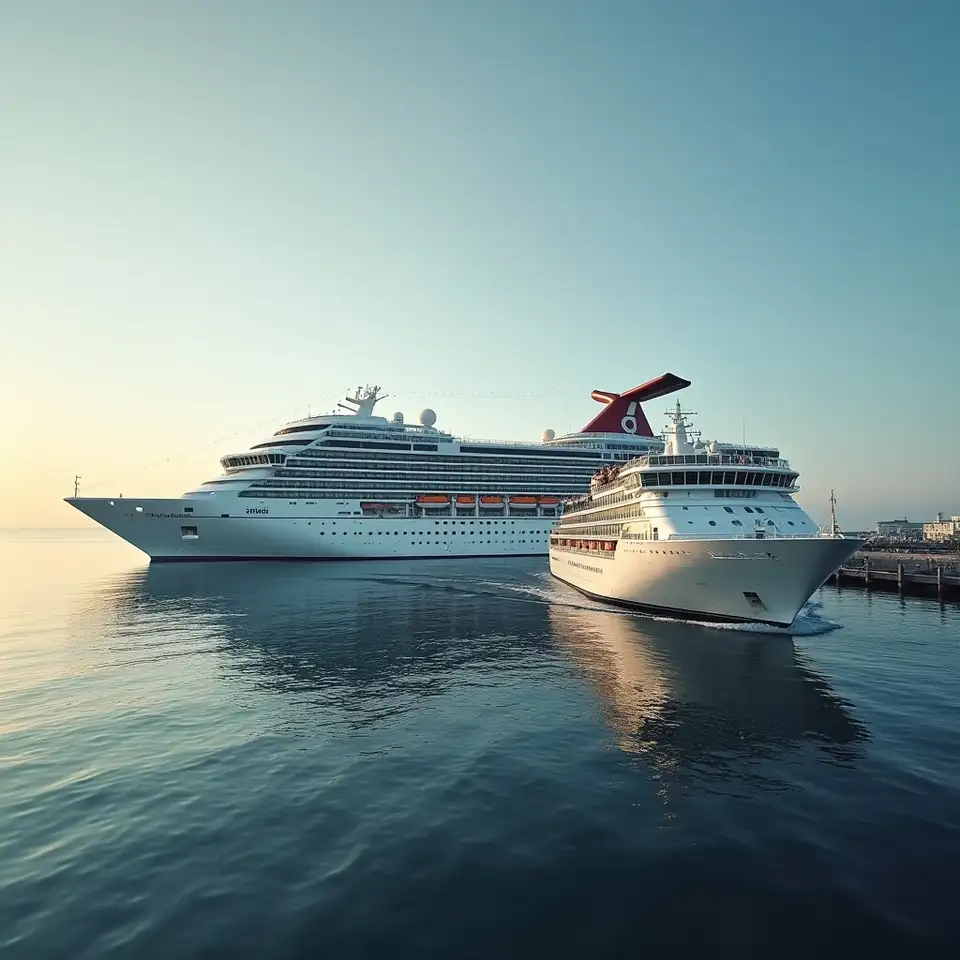
Your Step-by-Step Cruise Planning Guide
Planning a cruise becomes straightforward when you break it into a clear sequence. Each step below builds on the previous one, so by the time you reach the booking stage, every major decision has already been made deliberately rather than by default.
The six steps from first idea to boarding day — follow them in order and the process stays manageable throughout.
- Step one: Define your travel window and voyage length: Start with your available dates and work outward. A fixed travel window immediately narrows the departure options to those that are logistically possible, which makes every subsequent decision faster and more concrete. School holiday periods and Malaysian public holidays affect both availability and pricing, so confirming your dates early gives you the widest range of cabin choices.
- Step two: Choose your departure region and port: Decide whether you want to sail from Malaysia directly or fly to an international embarkation port first. Regional itineraries from Penang or Port Klang suit shorter voyages and eliminate pre-cruise travel complexity. Longer voyages to the Mediterranean or Caribbean typically require flying to a European or American departure port, which adds cost and planning time but opens significantly different itinerary options.
- Step three: Select a ship category that matches your style: Review the onboard atmosphere, ship size, and typical passenger profile for the cruise lines operating in your chosen region. A ship that suits a retired couple seeking quiet sea days differs considerably from one designed for active families or young travellers. Reading recent passenger accounts and checking the ship's age and last refit date gives you a realistic picture before you commit.
- Step four: Compare cabin categories with total cost in mind: List the cabin options available for your chosen sailing and map each to its total cost — base fare plus any mandatory charges. An inside cabin is the most affordable entry point and suits travellers who plan to spend most of their time ashore or in shared onboard spaces. A balcony cabin adds meaningful daily comfort if you value private outdoor access, particularly on longer voyages with multiple sea days.
- Step five: Research port stops and plan your time ashore: For each port on your itinerary, establish the distance between the cruise terminal and the main attractions, the available transport options, and the realistic time you will have ashore. Some ports offer a walkable town centre immediately beyond the dock; others require a transfer of thirty minutes or more. Planning this in advance prevents wasted time on port day mornings when decisions need to be made quickly.
- Step six: Confirm documentation and practical logistics: Check your passport validity against the cruise end date and verify entry requirements for each port country on your itinerary. Arrange travel insurance that specifically covers cruise travel, including missed port departures and medical evacuation at sea. If your embarkation port requires an overnight stay, book accommodation and transfers well in advance, particularly during peak season when port city hotels fill quickly.
What This Guide Covers
Why a Structured Approach Makes the Difference Here
Cruise planning without a framework leads to decision fatigue. There are hundreds of itineraries, dozens of ship categories, and multiple cabin tiers to evaluate simultaneously. Working through decisions in the order this guide presents them prevents you from arriving at step six only to discover that a choice made at step two has closed off the options you actually wanted.
Three things that make cruise travel a genuinely practical choice for Malaysian travellers planning their next major holiday
One booking covers accommodation and transport between destinations
A cruise fare bundles your cabin and inter-port travel into a single payment. Compared to arranging flights, hotels, and transfers independently across a multi-destination itinerary, that consolidation simplifies both the planning process and the budget. You know what the core cost is before you depart, which makes financial planning for the trip considerably more straightforward.
The itinerary adjusts to different travel styles within the same group
One traveller in your group might prefer sea days and onboard dining; another might want to spend every port stop exploring local markets and cultural sites. A cruise accommodates both within the same booking. The ship provides a shared base while each person structures their days differently — which makes the format particularly practical for multigenerational families or groups with varying interests and energy levels.