Faloxirenal

Plan Your Voyage

Choosing Your Route

Southeast Asia remains the most accessible starting point for Malaysian cruisers, with regional sailings departing from Penang and Port Klang. These routes connect to Phuket, Langkawi, Bali, and Singapore within voyages of three to seven nights. First, identify which ports interest you most. Next, check which departure city in Malaysia sits closest to your home. Finally, confirm the voyage length against your available leave before shortlisting specific itineraries.

Cabin Selection

Inside cabins suit travellers who plan to spend most of their time ashore or in shared onboard spaces and want to keep the total cost of the voyage manageable. Balcony cabins deliver a meaningful quality-of-life improvement on sea-day-heavy itineraries, where private outdoor access becomes a genuine daily pleasure rather than an occasional convenience. Suite categories offer generous living space and typically include priority boarding, dedicated service, and enhanced dining access throughout the voyage.
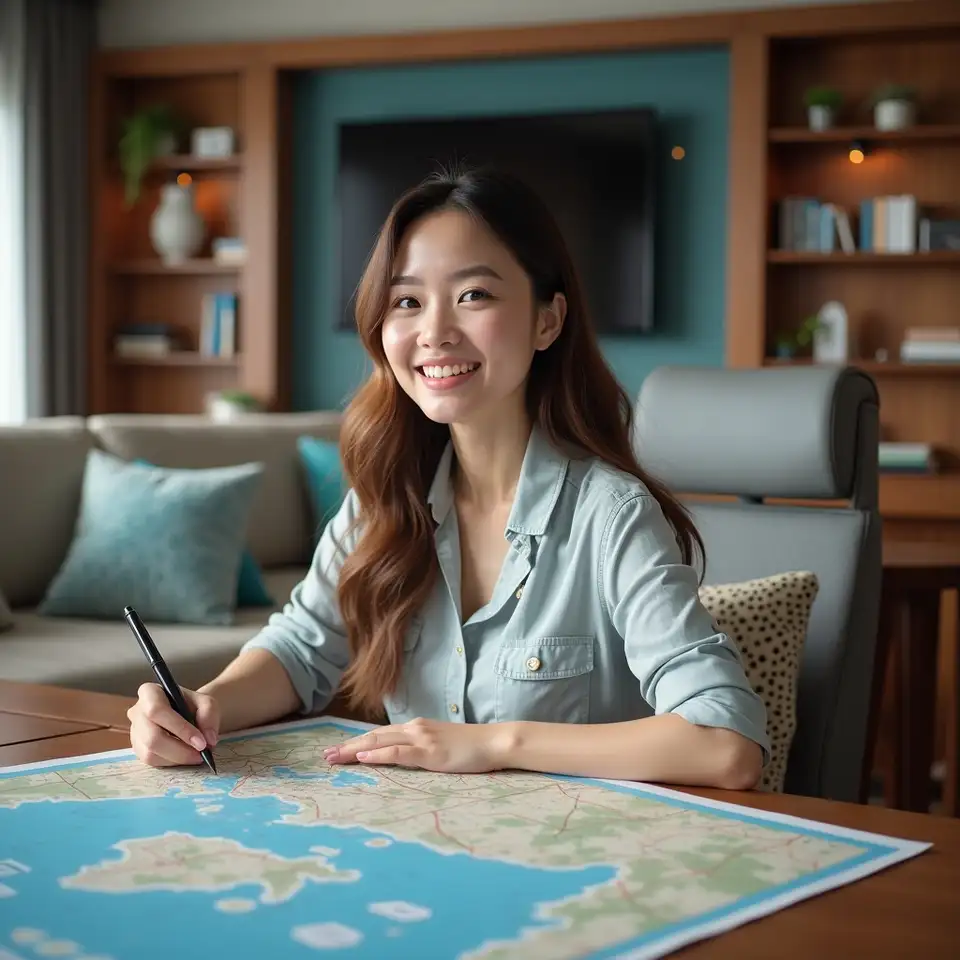

travel planner reviewing cruise itinerary map
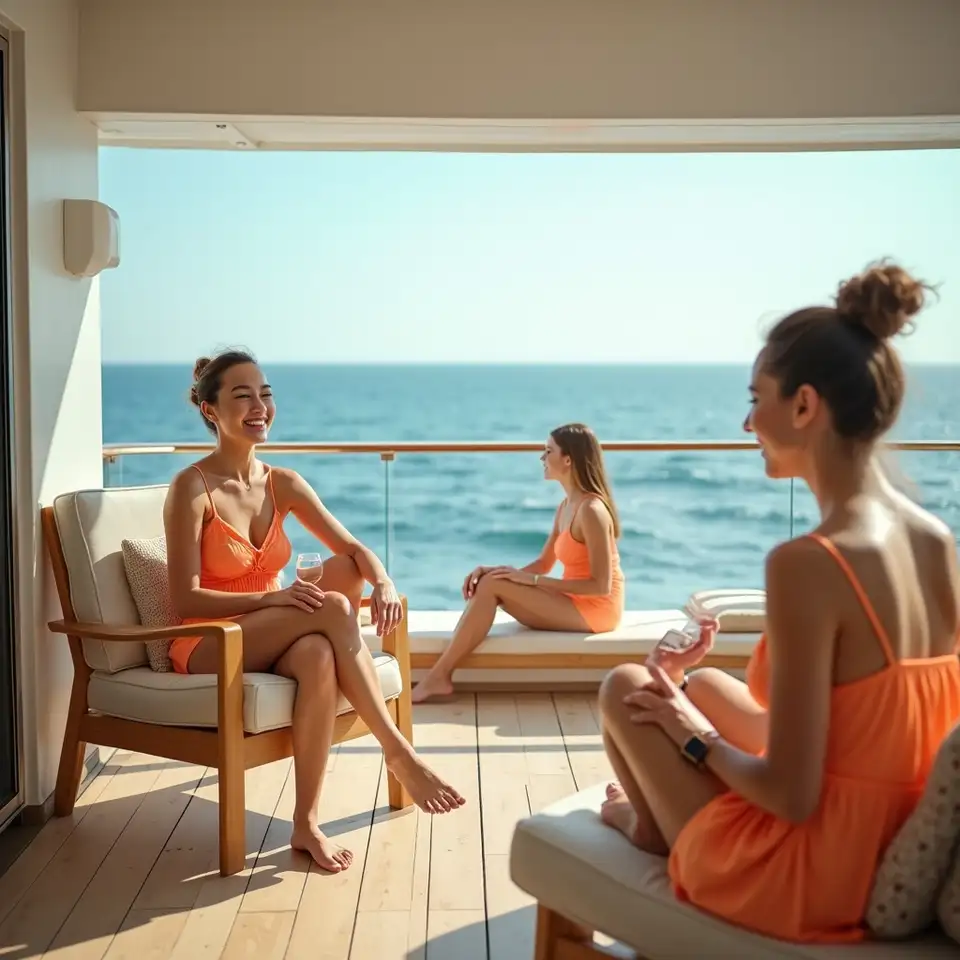
couple relaxing on cruise balcony

Budgeting Honestly

A cruise fare is a starting point, not a complete picture. Beverages, specialty dining, shore excursions, gratuities where not included, and any pre-cruise hotel nights at the embarkation port all contribute to the final total. Building a realistic estimate across all five cost layers before comparing cruise options against each other prevents the common experience of a voyage that seemed affordable at booking but expanded significantly once onboard spending is accounted for.

Timing Your Booking

Booking six to twelve months ahead of your preferred departure date secures the widest cabin category selection and access to early-booking pricing on popular itineraries. Peak season sailings during Malaysian school holidays and festive periods fill quickly, particularly in the balcony and suite tiers. If your travel dates are flexible, shoulder-season departures in the weeks surrounding peak periods typically offer competitive pricing for equivalent cabin categories without meaningful sacrifice in weather or port experience.
passenger applying sunscreen on cruise ship deck

Cruise Health Tips

Motion sensitivity at sea is the most common health concern among first-time cruisers, and it is worth addressing practically before you board rather than hoping it will not be an issue. Open-ocean crossings and certain weather conditions produce noticeable ship movement, particularly on smaller vessels. Consulting a pharmacist or physician before departure about suitable remedies — including prescription options for those who have experienced significant motion sickness on previous journeys — is a sensible precaution that most experienced cruisers recommend.

Sun exposure on cruise ships accumulates more quickly than most travellers anticipate. Deck time, port walking, and open tender rides between ship and shore all contribute to a daily UV load that exceeds what many people experience on land-based holidays. High-factor sunscreen applied consistently, a hat for extended time ashore, and adequate hydration across port days form the practical baseline. Travellers with pre-existing health conditions should consult their physician before any voyage — results and individual health responses may vary.

Luxury Cruise Guide for Malaysian Travellers

Luxury cruise lines operate on a different set of principles from standard contemporary cruise products. Understanding exactly what changes — and what the price premium actually delivers in practice — helps you decide whether the category suits your travel style and expectations.

Seven defining characteristics that separate luxury cruising from standard cruise categories

  • Smaller ships with fewer passengers on board at any one time: Luxury cruise ships typically carry between two hundred and eight hundred passengers. That scale changes the daily experience in concrete ways: shorter queues at every venue, a crew that recognises you by the second day, and public spaces that never feel crowded regardless of the time of day or the popularity of the activity on offer.
  • Higher crew-to-guest ratio delivering more attentive service throughout: The ratio of crew members to passengers on luxury vessels is meaningfully higher than on large resort ships. In practice this means faster service in dining venues, cabin stewards with time to personalise your experience, and a general attentiveness that is difficult to achieve when a single crew member is responsible for a larger number of guests simultaneously.
  • Inclusive fare structures covering beverages and gratuities upfront: Most luxury cruise lines build beverages, gratuities, and specialty dining into the base fare. This removes the daily calculation of what you are spending on your onboard account and allows you to make decisions about how to spend your time without a financial consideration attached to every choice. The onboard account at voyage end is typically a fraction of what it would be on a comparable standard cruise.
  • Premium cabin appointments with more generous living space throughout: Cabin categories on luxury ships start at a floor area that would represent a mid-tier cabin on a large resort ship. Suite configurations include separate living areas, walk-in wardrobes, and in some categories a private butler service for the duration of the voyage. The difference in daily comfort across a ten-night sailing is tangible from the first evening.
  • Port-intensive itineraries visiting less commercialised destinations: Luxury lines favour itineraries that avoid the busiest cruise ports in peak season and instead visit smaller, less trafficked destinations where the experience ashore is quieter and more authentic. Some itineraries include overnight stays in a single port, allowing evening exploration and a more relaxed pace than the standard arrive-by-seven-depart-by-five structure of most contemporary cruise port days.
  • Fine dining across multiple venues with no additional cover charge: Specialty restaurants on luxury ships are included in the fare rather than charged per visit. The quality of ingredients, the preparation standards, and the service level in these venues consistently exceeds what the equivalent price point delivers in the specialty restaurants of standard cruise lines. For travellers who value food as a central part of the travel experience, this distinction is among the most significant in the luxury category.
  • Expedition and destination-focused luxury voyages for experienced travellers: Several luxury lines operate small expedition vessels that combine the service standards of premium cruising with access to destinations that larger ships cannot reach. Antarctic voyages, Arctic itineraries, and remote Southeast Asian coastal routes fall into this category. The combination of genuine destination depth and high service standards attracts experienced travellers who have completed conventional cruise itineraries and are ready for a more demanding and rewarding alternative.

Is Luxury Cruising Worth the Premium

The honest answer depends on what you value most from a voyage. If your primary interest is the range of onboard entertainment options and the sheer variety of activities available across a large ship, the standard resort category delivers more in that dimension for a lower base fare. If, however, your priority is service quality, cabin comfort, dining standards, and the daily experience of a quieter and more personalised environment at sea, the luxury category delivers a meaningfully different product that justifies the price differential for the traveller it suits. The most useful comparison is not between headline fares but between total cost — once inclusions are factored in, the gap between luxury and premium standard categories narrows considerably.

Planning a Luxury Cruise From Malaysia — What to Address First

Malaysian travellers considering a luxury cruise typically need to fly to an international embarkation port, since most luxury line itineraries operate in the Mediterranean, the Caribbean, Northern Europe, or on world voyage routes. Building the pre-cruise logistics into your planning early — flights, port city accommodation, and transfers — prevents the situation of finding the perfect voyage only to discover that the embarkation day travel arrangement is unworkable within your schedule.

Solo Cruising

Picture boarding a ship entirely on your own terms — no itinerary negotiated around someone else's preferences, no compromise on cabin category, no shared decision-making about how to spend each port day. Solo cruise travel has grown into a genuinely well-supported option across several cruise lines, and understanding how the format works in practice helps solo travellers plan with confidence rather than hesitation. Step one is identifying which cruise lines cater meaningfully to solo passengers rather than simply accommodating them as an afterthought. Some lines have introduced dedicated solo cabin categories — purpose-built single-occupancy cabins that avoid the single supplement entirely by pricing the fare for one passenger from the outset. These cabins are typically compact but well-designed, and they often include access to a dedicated solo lounge where passengers travelling independently can meet others in the same situation. Step two is understanding how the single supplement works on lines that do not offer solo cabins. A single supplement is an additional charge applied to a double-occupancy cabin booked by one person, compensating the cruise line for the revenue lost from the unoccupied half. Supplement levels vary — some lines charge fifty percent of the double fare, others charge the full cabin price. Sailing in lower-demand seasons, or on itineraries and ship categories with less competition for solo berths, sometimes produces lower supplement rates than peak departures. Step three is thinking about the social dimension of solo cruising. The format is inherently more sociable than solo hotel travel, because a cruise ship provides a self-contained community with shared dining, shared activities, and repeated encounters with the same group of fellow passengers across the voyage. The main dining room, in particular, operates as a natural social venue — solo travellers are typically offered a shared table rather than a single table if they prefer company, and many lasting travel friendships begin at a cruise ship dining table on the second evening of a voyage. For Malaysian solo travellers, regional sailings from Penang or Port Klang offer the most accessible entry point: no long-haul flight, a familiar departure city, and a three to five night voyage that provides a genuine introduction to the format without requiring a significant commitment of time or budget. If the experience suits you — and for many solo travellers it does, consistently — the longer itineraries follow naturally from there.

Sustainable Cruise Travel — What Responsible Voyagers Need to Know

Practical steps that make a measurable difference to the environmental footprint of your cruise voyage

Cruise ships operate on a large scale, and the environmental footprint of the industry is a subject that receives growing attention from both regulators and travellers. For passengers who want to make more considered choices without abandoning cruise travel entirely, the most useful approach is to understand which specific practices and decisions actually produce a meaningful improvement — rather than responding to general impressions or marketing claims that may not reflect operational reality.

First, the choice of cruise line matters more than most passengers realise. Lines that have invested in newer hull technologies, LNG propulsion systems, shore power connectivity, and advanced wastewater treatment deliver a materially lower environmental impact than those operating older fleets without equivalent upgrades. Checking the age and propulsion technology of the specific ship you are considering — rather than evaluating the cruise line at a brand level — gives you a more accurate picture of what you are actually supporting with your booking.

Choose newer ships with LNG or hybrid propulsion over older fleet vessels where itinerary options allow

Carry a reusable bag ashore to avoid single-use plastic at port markets and retail stops

Use refillable water bottles on board rather than purchasing single-use plastic bottles at onboard venues

Select shore excursions that support local operators and community-based tourism over large-volume commercial tours

Dispose of waste through the correct shipboard recycling channels rather than general waste disposal

eco-conscious traveller with reusable bag exploring a tropical cruise port on a clear morning

Regional cruising reduces pre-voyage flight emissions

Shorter overall carbon footprint

Cruise Accessibility

Accessible cruise travel has improved substantially across the industry over the past decade, but the quality and scope of accessible facilities varies enough between cruise lines, ship generations, and cabin categories that researching your specific vessel before booking remains essential.

Five areas to research when planning an accessible cruise voyage for yourself or a travel companion

  • Accessible cabin categories — what the design difference means in daily practice: Accessible cabins on cruise ships are designed with wider doorways, roll-in shower configurations, lowered storage and furniture heights, and turning radius clearance for mobility aids. They are available in limited numbers on most ships and are allocated on a first-come basis — booking as early as possible for accessible cabin categories is not optional advice but a practical necessity on popular itineraries.
  • Mobility aid and wheelchair assistance across embarkation and disembarkation: Most major cruise lines provide wheelchair assistance at the embarkation port and can arrange mobility aid support at each port of call on request. The quality and reliability of this service varies between ports rather than between cruise lines — some port terminals are purpose-built for accessibility, while others present genuine challenges that are worth understanding before you commit to an itinerary that includes them.
  • Tender ports and accessibility — when the ship cannot dock directly: Some ports on cruise itineraries require passengers to transfer from the ship to shore via a small tender vessel rather than walking directly from the gangway. This process involves steps, physical movement in open water conditions, and a boarding procedure that is not accessible to all passengers with mobility limitations. Identifying which ports on your itinerary are tender ports before booking allows you to make an informed decision about whether the itinerary suits your specific requirements.
  • Visual and hearing accessibility provisions on modern cruise ships: Contemporary cruise ships include a range of provisions for passengers with visual or hearing impairments: captioned entertainment in main showrooms, visual alert systems in accessible cabins, large-print and braille materials available on request, and hearing loop systems in some venues. The scope of provision varies by ship age and cruise line — confirming the specific provisions available on your chosen vessel before departure prevents disappointment once on board.
  • Dietary and medical accessibility — declaring requirements before you sail: Passengers with medically prescribed diets, severe food allergies, or conditions requiring onboard medical monitoring should declare these requirements at the time of booking rather than at embarkation. Medical facilities on cruise ships vary in scope — most carry a physician and nursing staff, but the diagnostic and treatment capacity is limited compared to shoreside hospitals. Travellers with complex medical needs should discuss their specific situation with both their physician and the cruise line's accessibility team before confirming any booking.

Before You Book

When researching accessible cruise options, the single most important step is to contact the cruise line's dedicated accessibility team directly before making any payment. A general booking agent may not have the specific technical knowledge to confirm whether a particular cabin, ship, or itinerary meets your requirements. The accessibility team can confirm cabin specifications, identify which ports present challenges, clarify the scope of onboard medical provision, and note any requirements the cruise line needs from you — such as a physician's letter or advance notification of mobility equipment dimensions — before the booking is finalised. Taking this step first prevents the considerably more difficult situation of discovering a mismatch between your needs and the vessel's provision after the booking is confirmed and deposits have been paid.

How to Research Accessible Cruise Options Without Wasting Time on the Wrong Ships

The most efficient research path for accessible cruise travel runs through the cruise line's accessibility team first, then through recent first-person accounts from travellers with similar requirements, and finally through a direct conversation with a cruise specialist who has personal knowledge of the ships and ports on your shortlisted itinerary. Generic review platforms provide a useful starting point but rarely capture the specific detail — door widths, shower configurations, tender port procedures — that makes the difference between a voyage that works and one that does not. Our team at Faloxirenal is available to discuss accessible cruise options directly and to help identify the itineraries and vessels most likely to meet your specific requirements.

Four questions every prospective cruise traveller should be able to answer before they speak with a booking team

1

Which region do you want to sail through on your voyage

Regional clarity — Southeast Asia, the Mediterranean, the Caribbean, or a river cruise format — narrows the available itineraries from hundreds to a manageable shortlist within minutes. Without a regional preference established, every subsequent conversation about ships, cabin categories, and pricing covers too broad a scope to produce useful conclusions. Start with geography and everything that follows becomes faster and more precise.

2

How many nights do you want to spend at sea across the voyage

Voyage length determines your cabin budget, your onboard experience, and the number of ports you can reasonably include. A three-night sailing and a fourteen-night sailing are fundamentally different products that attract different travellers and suit different circumstances. Knowing your preferred voyage length before you begin comparing options prevents the common experience of building enthusiasm for an itinerary that is incompatible with your available annual leave.

4

What is your realistic total budget including onboard spending and pre-cruise logistics

The base cabin fare is the beginning of the financial picture, not the complete version of it. Beverages, gratuities where not included, specialty dining, shore excursions, travel insurance, and any pre-cruise hotel nights all contribute to the total. Arriving at a realistic total budget figure before beginning your itinerary search prevents the situation of falling in love with a voyage that becomes unaffordable once all cost layers are added to the headline price.

We Use Cookies on Faloxirenal

We Use Cookies on Faloxirenal

Faloxirenal.com uses cookies to keep the site functioning correctly, to understand how visitors navigate our cruise planning guides, and — where you consent — to deliver relevant content based on your browsing activity. We use four cookie categories: strictly necessary cookies that the site cannot function without, performance cookies that collect anonymised usage data, functionality cookies that remember your preferences, and targeting cookies that support relevant content delivery on other sites you visit. You may accept all categories, decline non-essential cookies, or adjust your preferences individually at any time. Your strictly necessary cookies will remain active regardless of your choice.

Faloxirenal.com uses cookies to keep the site functioning correctly, to understand how visitors navigate our cruise planning guides, and — where you consent — to deliver relevant content based on your browsing activity. We use four cookie categories: strictly necessary cookies that the site cannot function without, performance cookies that collect anonymised usage data, functionality cookies that remember your preferences, and targeting cookies that support relevant content delivery on other sites you visit. You may accept all categories, decline non-essential cookies, or adjust your preferences individually at any time. Your strictly necessary cookies will remain active regardless of your choice.

Strictly Necessary Cookies

These cookies are required for faloxirenal.world to function correctly. They manage your session, maintain secure connections, and enable the enquiry form to submit successfully. They are active at all times and cannot be disabled through this panel. No personal data collected by these cookies is used for marketing or shared with third parties for commercial purposes.

Performance and Analytics

These cookies collect anonymised data about how visitors move through faloxirenal.world — which cruise planning pages are visited most frequently, how long visitors spend on each page, and where technical errors occur. This information helps us improve the structure and content of the site. No individual user is identified by this data. You may decline these cookies without affecting your access to any part of the site.

Functionality Cookies

These cookies remember preferences you set during your visit to faloxirenal.world, such as your preferred cruise region or voyage type, so the site behaves consistently when you return. Declining these cookies means your preferences will not be retained between sessions and you may need to reapply them on each visit.

Targeting Cookies

These cookies record your visit to faloxirenal.world and the pages you browsed. This information may be shared with advertising networks to enable cruise-related content to appear on other websites you visit subsequently. We do not use these cookies to build profiles for sale to data brokers. You may decline these cookies at any time without affecting your ability to use faloxirenal.world.